Land
Why is it so hard to get a land development loan in Wisconsin?
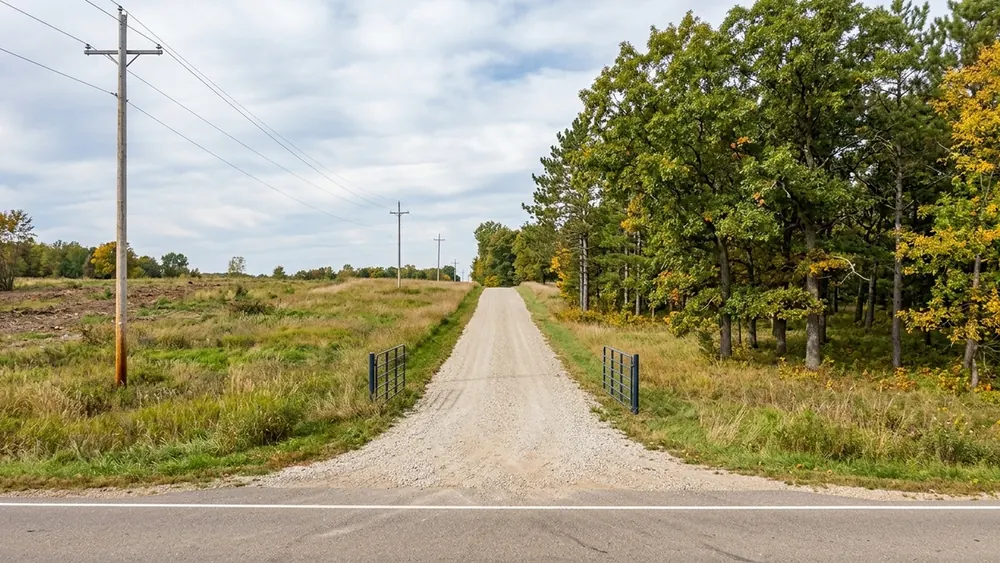
Land development loans in Wisconsin are harder to get because raw land produces no income, is harder for a lender to resell, and carries more unknowns than a finished building. A clear plan and early lender conversations help.
On this page
The short answer on land development lending
A land development loan is harder to get than a loan on a finished building because the lender is taking on more uncertainty. Raw land usually produces no income, so there is no rent to cover the payment. If the project stalls, the lender is holding a parcel that may be slow to sell. And the value of the finished project depends on approvals, utilities and construction that have not happened yet. Each of those adds risk, and lenders price and structure loans around risk.
That does not mean land financing is out of reach. It means the conversation is different. A lender reviewing a finished warehouse or office building can look at the structure, the leases and the operating history. A lender reviewing raw land is mostly looking at a plan, the borrower behind it, and what could go wrong between today and a finished project. The more of those unknowns you can answer before you ask, the better the conversation tends to go.
This matters whether you are buying land near Eau Claire to build a business location, assembling a development site, or selling a parcel to someone who will need financing. Expectations shaped by building loans often do not carry over to land. Understanding why lenders hesitate helps you plan the purchase, the timing and the deal structure so the financing question does not surprise you halfway through.
Why lenders see raw land differently
Most of the hesitation comes down to a few plain reasons. None of them are about you personally. They are about what the lender can count on if something changes, and how quickly the lender could recover its money if the project does not go as planned. Here is how a lender tends to think about it, and why each point shapes the terms you are offered.
- Raw land usually earns no income, so nothing on the property covers the loan payment
- Vacant parcels can take longer to sell than finished buildings if the lender must recover its money
- The finished value depends on approvals, utilities and construction that do not exist yet
- Construction adds another layer, since the lender is financing a building that is still on paper
What a lender may want to see first
Every lender sets its own requirements, and they vary from one institution to the next. Still, the same questions tend to come up when someone asks to finance land or a development project. Having answers ready, even partial ones, shows the lender that the plan has been thought through and that the borrower understands the site. Expect to be asked about some version of the following, and expect follow-up questions on each.
- A clear description of what you plan to build and how the land will be used
- Evidence of legal access to the parcel and which utilities can reach it
- What the local, county or state authorities allow on the land, confirmed directly with them
- Your own financial position, including how much of your own money goes into the deal
- Any surveys, environmental reports or site studies the current owner already has
How loan terms on land can differ
Because the risk is higher, land and development loans are often structured more conservatively than loans on finished buildings. A lender may ask for a larger share of your own money going in, a shorter repayment period, or a plan for how the loan will be paid off or converted once the project is built. The specific terms vary widely by lender and by project, so treat any general description as a starting point for questions, not a rule.
It also helps to know whether you are talking about a loan to buy the land, a loan to build on it, or both. Some lenders handle the purchase and the construction as separate steps. Others combine them. The way the loan is structured affects when money becomes available, what the lender needs to see at each stage, and how much flexibility you have if the plan changes partway through. Ask early which approach a lender prefers for a project like yours.
Ask each lender to explain, in plain terms, what they require for land, what changes once construction starts, and what would cause them to decline. Comparing those answers side by side often tells you more than comparing rates alone. A Wisconsin attorney and an accountant can help you understand how any proposed structure affects your obligations and taxes before you commit.
Where seller financing can fit in
When a bank loan is hard to arrange, some land purchases in Wisconsin use seller financing instead of, or alongside, a traditional lender. In that case the seller agrees to be paid over time rather than all at closing. Two common structures are a seller-held mortgage, where the purchaser usually takes title at closing and the seller holds a mortgage on the land, and a Wisconsin land contract, where the purchaser typically receives full title once the contract terms are met.
Seller financing can bridge a gap, but it is not a shortcut around careful review. Each structure shifts risk between buyer and seller in different ways, and each carries legal and tax consequences. Guy writes about seller financing and land development lending on LinkedIn because the topic comes up so often. The practical point is the same every time: have a Wisconsin attorney and a lender review the terms before anyone signs.
Before you fall for a parcel, find out how it can be financed. Talk to a lender early, bring your plan, and let the answers shape the offer.
Common assumptions that cause surprises
One common surprise is assuming that land will be financed the same way a building was. Someone who has bought a commercial building with a conventional loan may expect similar terms on raw land, then learn late in the process that the lender wants more money down or a shorter term. Another is assuming that a parcel listed for a certain use is approved for it. Uses, utilities and access all need to be confirmed for the specific site.
A third surprise is timing. Land deals can move more slowly because there is more to verify: surveys, access, utility availability and local approvals. If the purchase agreement assumes financing will be ready quickly, the schedule can come under pressure. Building realistic time into the agreement, and discussing contingencies with a Wisconsin attorney, gives you room to complete the review without rushing a decision. It also protects the seller, who benefits from knowing early whether a buyer’s financing is realistic.
What to gather before the first conversation
Before you talk with a lender or a broker about land near Eau Claire or elsewhere in Wisconsin, write down what you know. Note where the parcel is, what you hope to build or do there, and what you have already confirmed about access and utilities. List the questions you still have about what the local authorities allow. Gather any surveys, maps or reports you have, even if they are incomplete. A lender will ask for much of this anyway, and having it organized saves time for everyone involved.
It also helps to have a rough sense of your own budget and how much of your own money you can commit, along with a list of lenders you plan to contact. If seller financing might be part of the picture, note that early so it can be discussed openly with the seller and reviewed properly by an attorney. A builder’s eye, shaped by a background in construction, often spots site questions worth raising with a lender before they become problems.
If you are looking at land around Eau Claire, between Eau Claire and Menomonie, or near the I-94 and State Hwy 29 interchange, Guy can help you sort through the site, the use you have in mind and how the deal could be put together, so the lender conversation starts from solid ground. Bring what you have, even if it is only part of the picture, and start there.
This article is general information about commercial property and land in Eau Claire and Wisconsin. It is not legal, tax, lending, investment, valuation or inspection advice and does not predict prices, rents or returns. Confirm zoning and permitted uses with the city, town or county, leases and contracts with an attorney, financing with a lender, taxes and valuation with an accountant, and building condition with a qualified inspector. Guy Rossato, Guy Rossato Real Estate LLC.

Written by