Office Property
What does fully leased tell me about an office building I’m thinking of buying?
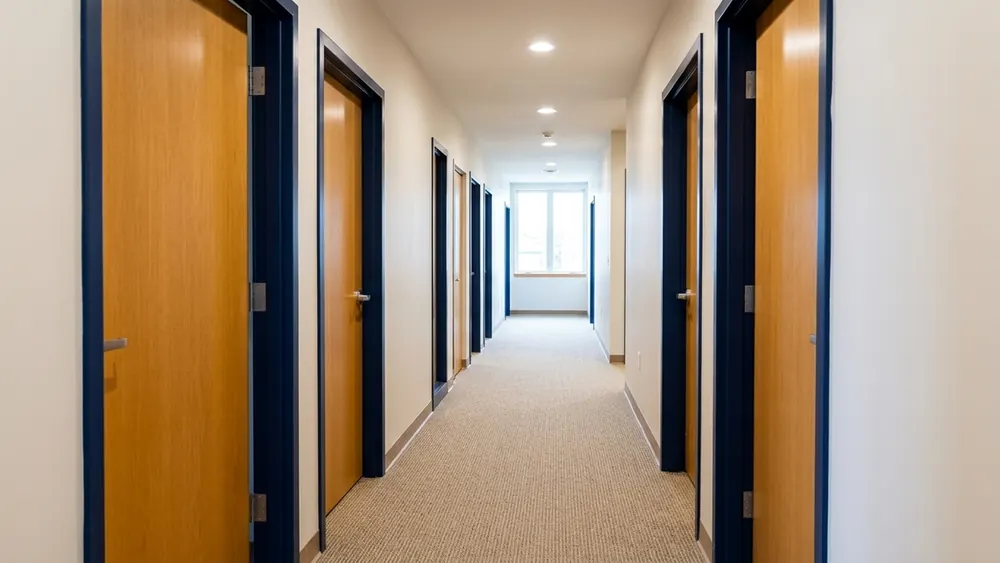
Fully leased tells you every suite has a signed lease today. It does not tell you how long those leases run, what tenants pay, who covers building costs, or whether tenants will stay, so verify each lease before relying on it.
On this page
What the phrase actually means
When a listing calls an office building fully leased, it usually means every rentable suite had a tenant under a signed lease when the listing was written. That is useful to know, but it is a snapshot, not a forecast. It does not tell you how long those leases run, what each tenant pays, who covers which building costs, or whether any tenant plans to stay when its lease ends. Treat it as the start of your questions.
The phrase matters because buyers often read it as a sign of stability. Sometimes that reading is accurate. Sometimes a building is full because several leases were signed at once and will end at once, or because rents were set low to fill space quickly. Neither situation is necessarily bad, but each one changes what you are buying. The only way to know is to read the leases themselves, not the description.
In Eau Claire, as anywhere, an occupancy claim in a listing is something to verify, not a selling point to accept at face value. Ask when the description was written, because occupancy can change between the day a listing goes up and the day you tour. Then ask for the documents that back it up. A careful seller expects these questions, and asking them early saves everyone time later in the process.
Why a full building can still change
A lease is a promise with an end date. Even a building where every suite is occupied today will see leases expire, renew or turn over during your ownership. The question is not whether that will happen, but when, and what it may cost when it does. Preparing a vacant suite for a new tenant can involve repairs, updates and a stretch without rent, and those costs belong in your thinking from the start.
Timing is the part buyers most often miss. If several leases end around the same time, you could face several empty suites at once. If one tenant occupies most of the building, the whole picture may depend on that one decision to renew or leave. Neither pattern rules a building out. It simply means the leases deserve as much attention as the roof, the parking and the mechanical systems.
Tenants also have their own plans. A business may be growing, shrinking or thinking about moving, and none of that shows up in an occupancy claim. You may not be able to learn much about a tenant’s intentions, and you should not rely on guesses. What you can do is note which leases carry renewal options, which do not, and what each lease says happens at the end of its term.
Reading the leases behind the claim
Start with a rent roll, which is a summary listing each suite, its tenant, the lease end date and the rent. Then compare it line by line against the actual leases. The rent roll is a convenience. The leases are the documents that govern. If the two disagree, the difference is worth raising with the seller and with your Wisconsin attorney before you go any further with the purchase.
For each lease, look at the remaining term, the rent and any scheduled changes, the renewal options, and who pays which building costs. Some leases pass taxes, insurance and the upkeep of shared areas through to the tenant, often called CAM charges, short for common area maintenance. Others keep those costs with the owner. A building where the owner carries most costs looks very different on paper from one where tenants share them, even if both are full.
Watch for amendments and side agreements too. A lease may have been extended, a rent reduced for a period, or an improvement promised to a tenant. These details may live in separate letters or later documents rather than in the original lease. Ask the seller to confirm in writing that you have every document affecting each tenancy. How that confirmation is handled in your purchase contract is a question for your attorney.
What the claim leaves out
An occupancy claim answers one narrow question. It is silent on the details that usually matter most to a buyer. Before you let the phrase shape your offer, make sure you have answers on the points it leaves out. These are the gaps that most often surprise a buyer after closing, and each one can be checked before you commit to a price or sign a purchase agreement.
- How long each lease runs and when the earliest ones come up for renewal
- Whether current rents reflect the space, a question for a valuation professional
- Which building costs each tenant pays and which ones stay with the owner
- Whether any tenant is behind on rent or has raised a dispute with the landlord
None of these questions requires you to doubt the seller. They simply fill in what a short description cannot carry. Some answers come from the leases, some from the seller’s records, and some from professionals such as an accountant or a valuation professional. Guy can help you organize the questions on the real estate side and make sure each one reaches the right person at the right point in the deal.
A simple way to check the claim
A short table can keep your review organized. Work through each row before you rely on the occupancy claim, and note who confirmed each answer and when. The table below is not a complete due diligence list, but it covers the questions that come up most often when a building is described as fully leased, and it points each question to the person or document best placed to answer it.
| Question | Why it matters | Who can confirm |
|---|---|---|
| Is every suite under a signed lease? | A listing description may be out of date | The seller’s records and the leases themselves |
| When does each lease end? | Clustered end dates can leave several suites empty | The rent roll, checked against each lease |
| Who pays which building costs? | It shapes what the building costs to hold | The leases, reviewed with a Wisconsin attorney |
| Are tenants current on rent? | Late payment can signal a tenancy at risk | Tenant estoppel letters and the seller’s records |
| What will the lender require? | A lender review can add documents and time | Your lender, early in the process |
Tenant estoppel letters appear in the table for a reason. They are written statements from each tenant confirming the basic terms of its lease, such as the rent, the end date and whether any disputes exist. They give you the tenant’s view rather than only the seller’s. Whether and how to request them is something your attorney can explain, and your lender may have its own requirements about them.
Using the building’s condition as a cross check
Occupancy and condition are connected. A building with deferred maintenance may keep tenants for now and lose them later, and a lease may require the owner to handle certain repairs. Walk every floor, including occupied suites where you can and the mechanical rooms. Ask how old the roof and major systems are and when they were last serviced. A qualified building inspector can turn those questions into specific repair costs you can plan for.
A background in construction tends to make that link obvious: the roof, the heating and cooling equipment and the parking are part of what keeps tenants in place. That is how Guy approaches an occupied office building, reading the leases and the building side by side rather than one after the other. If the leases look strong and the building needs major work soon, or the reverse, you want to know before you settle on a price.
Preparing for a conversation about the building
Before you talk with anyone about a specific building, gather what you can. Write down why you are buying: to occupy part of it, to hold it as an investment, or some of each. Note your financing plan and whether seller financing might be part of it. Then list what you already know about the property and what you still need. A short list like the one below is a good place to start.
- The listing description and the date it was written or last updated
- Any rent roll, lease summaries or expense figures the seller has shared
- Your lender contact and a Wisconsin attorney who can review the leases
- Your own notes from walking the building, including vacant and mechanical spaces
If you are looking at an office building in Eau Claire and want to understand what fully leased means for that particular property, bring it to Guy. A first conversation is a chance to look at the site, the building and the leases, and to talk through how the deal could be put together. There is no pressure to decide anything, only a clearer picture of what you would actually be buying.
This article is general information about commercial property and land in Eau Claire and Wisconsin. It is not legal, tax, lending, investment, valuation or inspection advice and does not predict prices, rents or returns. Confirm zoning and permitted uses with the city, town or county, leases and contracts with an attorney, financing with a lender, taxes and valuation with an accountant, and building condition with a qualified inspector. Guy Rossato, Guy Rossato Real Estate LLC.

Written by