Land
What should I check before buying recreational land in Wisconsin?
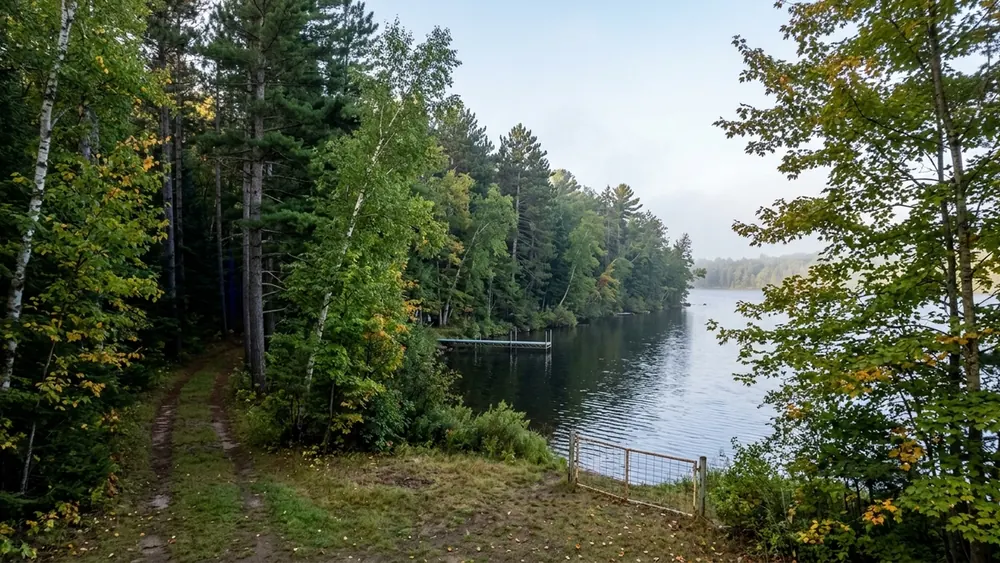
Before buying recreational land in Wisconsin, confirm legal access in every season, which utilities can reach the parcel, where a cabin or building could go, what local rules allow, and how the purchase will be financed.
On this page
Start with access, use and the rules
Before buying recreational land in Wisconsin, confirm four things: that the parcel has legal access you can rely on in every season, what utilities can reach it, whether there is a workable spot for a cabin or other building, and what the local, county or state authorities allow on it. After that, think through how the purchase will be financed, since land often works differently from a finished building. Those questions decide whether the land will actually work for how you plan to use it.
Recreational land is often bought for a feeling: woods, open space, a place to get away. That is a fine reason to look. But the practical questions are what separate a parcel you enjoy from one that frustrates you. A parcel that looks ready on a map can still need a road, a culvert, a power line or a permit before it does what you want. Checking first keeps the excitement from getting ahead of the facts.
This applies whether the land is near Eau Claire or farther out in Wisconsin, and whether you plan to visit occasionally, build a cabin, or hold the land for later. It also applies to sellers. A seller who can answer access and utility questions clearly tends to have a more straightforward conversation with serious buyers.
Legal access is the first question
Physical access and legal access are not the same thing. A path or field road that crosses a neighbouring parcel may have been used for a long time without any written right to use it. If the parcel does not front a public road, ask whether a recorded easement grants access and what that easement allows. A Wisconsin attorney and a title review can confirm what the records actually show, which matters more than what anyone remembers.
Seasonal access matters too. A road that works in summer may be difficult in spring or after heavy snow. Visit the land in more than one season if you can, or at least ask the seller how the parcel is reached throughout the year. Find out who maintains any private road, how costs are shared, and whether that arrangement is written down anywhere.
If a survey exists, ask for it. A surveyor can confirm where the boundaries actually are and whether the access route sits where you think it does. Boundary questions are much easier to settle before closing than after a dispute with a neighbour starts. If no survey exists, ask a surveyor what one would involve for the parcel, and weigh that against the questions you need answered before you buy.
Utilities, water and what a cabin needs
Many recreational parcels have no utilities on site. Find out whether power reaches the property line, how far a connection would need to run, and who to ask about the cost. The utility provider is the right source for that, and the answer can vary a great deal from one parcel to the next. Do not assume a nearby pole means service is simple.
If you plan to build a cabin or any structure with water, you will likely depend on a private well and a septic system. Well and septic professionals can explain what the site may support, and the county or local authority sets the rules for both. A parcel can look like a good building spot and still face limits once the soil and setbacks are reviewed.
Some sites also have wetland or shoreland limits that affect where you can build or clear. These rules are set by local, county and state authorities, and they apply to the specific parcel. Ask the right office directly, and ask an environmental professional if the site has wet areas or a history you want to understand better.
How you plan to use the land matters
The right checklist depends on what you want the land for. Someone who wants a quiet place to walk and camp has different questions from someone who wants to build a cabin, run a small trail system, or hold the land as a future building site. Write down your intended uses before you look, so you can test each parcel against them.
- Whether the intended use is allowed, confirmed with the town or county authority
- Whether any structure you want would need a permit or meet setback rules
- Whether existing easements let others cross or use part of the parcel
- Whether timber, mineral or other rights have been sold or reserved by a past owner
None of these questions has a general answer. Each one depends on the parcel, its title history and the local rules where it sits. The point is to ask them early, while you can still adjust your offer or walk away, rather than discovering a limit after the land is yours. A Wisconsin attorney can help you read the title work for anything unexpected.
A quick reference before you make an offer
This table pulls the main questions together, along with why each matters and who usually answers it. Use it as a starting list, not a complete one, and add questions specific to the parcel you are considering. The answers to the first two often decide whether the rest are worth pursuing, so start there and work down the list as each answer comes back.
| Question | Why it matters | Who to ask |
|---|---|---|
| Is there recorded legal access? | A used path is not the same as a legal right | Wisconsin attorney and title review |
| Can power reach the parcel? | Connection cost and distance vary by site | The utility provider |
| Will the site support a well and septic? | Any cabin with water depends on both | Well and septic professionals, county authority |
| What uses and structures are allowed? | Rules apply to the specific parcel | Town, county or state authorities |
| Where are the true boundaries? | Avoids disputes over access and use | A surveyor |
If any answer comes back unclear, treat that as a reason to slow down. A parcel with open questions is not necessarily a bad purchase, but the uncertainty belongs in your offer, your timeline and your contingencies. A Wisconsin attorney can explain how contingencies work in a land purchase agreement and how to give yourself time to finish checking the parcel.
Financing recreational land is different
Raw land usually earns no income, and lenders often view it as harder to resell than a finished building. That can mean different requirements, such as more of your own money going in or a shorter repayment period. Requirements vary by lender, so talk to one early, before you are under contract, and ask what they need for recreational land specifically.
Some land purchases in Wisconsin use seller financing, either a seller-held mortgage or a Wisconsin land contract. With a seller-held mortgage, the purchaser usually takes title at closing. With a land contract, the purchaser typically receives full title once the contract terms are met. Each structure shifts risk differently, so have a Wisconsin attorney and a lender review the terms before you sign.
What to write down before you start
Before a first conversation about recreational land, gather what you know and what you still need to learn. You do not need every answer. A short list of facts and open questions makes it easier to judge a parcel quickly and spot the questions worth raising with the seller and the right professionals. Start with these points and add to the list as you learn more about each parcel.
- How you plan to use the land, now and possibly later
- Which parcels you are considering and what you know about their access
- Any surveys, maps, easements or reports the seller has shared
- Your budget and whether you expect a lender, seller financing or cash
If you are weighing recreational land in Wisconsin, Guy can help you look at the parcel, the access, the questions to put to the right offices and how the purchase could be structured. Bring the listing or the site you have in mind, and start the conversation there, even with only part of the picture.
This article is general information about commercial property and land in Eau Claire and Wisconsin. It is not legal, tax, lending, investment, valuation or inspection advice and does not predict prices, rents or returns. Confirm zoning and permitted uses with the city, town or county, leases and contracts with an attorney, financing with a lender, taxes and valuation with an accountant, and building condition with a qualified inspector. Guy Rossato, Guy Rossato Real Estate LLC.

Written by