Commercial Properties
What am I buying when I buy an Eau Claire business together with its building?
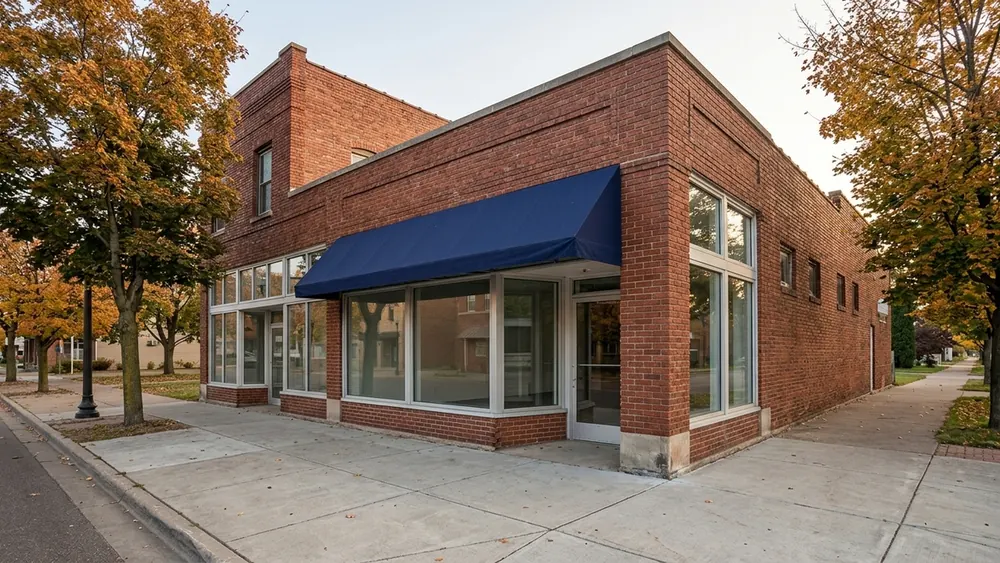
Buying an Eau Claire business together with its building means paying for two things at once: the operating business and the property it sits on. Each part is reviewed differently, so ask how the price splits and check both separately.
On this page
- Two purchases wrapped into one deal
- Why the price split matters so much
- Reviewing the operating business with care
- Reading the building as its own asset
- Questions to raise before you make an offer
- Who reviews each part of the deal
- How seller financing can fit these deals
- Getting ready for a first conversation
Two purchases wrapped into one deal
When you buy an Eau Claire business together with its building, you are buying two things at once: the operating business and the real estate it sits on. The business may include equipment, inventory, a name, customer relationships and the right to keep operating. The building is land, walls, a roof and systems. They arrive in one deal, but they are different assets, and each one deserves its own review before you commit.
Seeing the deal as two purchases changes the questions you ask. A business can be healthy while its building needs a new roof, and a solid building can house a business that is struggling. If you only look at one side, the other can surprise you after closing. Separating them on paper, even when they are sold together, gives you a clearer view of what you are really paying for.
This matters for the price, for financing and for taxes. How the purchase price is divided between the business, the equipment and the building can affect how a lender looks at the loan and how an accountant treats the purchase. Those are questions for professionals, but you need to know they exist before you make an offer, not after you have agreed to a single number.
Why the price split matters so much
Ask early how the asking price splits between the business, any equipment or inventory, and the building. Sellers do not always spell this out, and a single total can hide a lot. If most of the value sits in the business, you are relying on its future performance. If most of it sits in the building, the property itself carries more of the weight in the deal.
Each part is reviewed by different people in different ways. An accountant or valuation professional looks at the business. A lender may look at the real estate and the business separately when deciding how to finance them. The building’s condition and title are checked on their own. Knowing the split lets each of those reviews do its job instead of guessing at a blended figure.
I want to know what part of the price is the business and what part is the building. That split shapes everything that comes after.
Reviewing the operating business with care
The business side is where an accountant earns their fee. Go through the financial records with them: income, expenses, how the numbers have moved, and what depends on the current owner personally. A business that runs on one person’s relationships may not transfer as smoothly as one with established systems and staff, and that difference is worth understanding before you agree to anything.
Look at what is actually included. Is the equipment owned outright, or leased? Does inventory come with the sale, and how is it counted at closing? Are there contracts, licences or permits that need to be transferred or reissued in your name? A Wisconsin attorney can help you see which of these move with the business and which ones need fresh approval from someone else.
Ask how the transition would work in practice. Will the current owner stay on for a period to introduce you to customers and suppliers? Will key employees stay? These are not real estate questions, but they affect whether the business you buy is the business you expected. Guy focuses on the real estate side and will point you to the right professional for the rest.
Reading the building as its own asset
Now look at the building as if the business were not there. Walk the roof, the mechanical systems, the parking, the loading and the layout with a builder’s eye. A qualified building inspector can tell you what condition the structure and systems are in, and what work the building will need soon. That work becomes your cost the day you take ownership, whatever happens to the business.
Ask whether the building could serve another use if the business ever changes. A property that only fits one very specific operation can be harder to finance or sell later than a flexible one. Check title, any easements, and whether the current use is allowed at that location. The city, town or county confirms permitted uses, and an environmental professional can advise whether any further review makes sense.
Questions to raise before you make an offer
Before you put a number on paper, gather answers to a short set of questions. They keep the two sides of the deal separate in your mind and make sure nothing important is assumed. A retail business sold with its building on Birch Street in Eau Claire is one recent example of this kind of offering, used here only to illustrate the type, not as current availability.
- How the asking price splits between business, equipment, inventory and building
- Which financial records the seller will share, and over what period of time
- What condition the roof, structure and mechanical systems are in today
- Whether the seller would consider holding a mortgage or a land contract
Write the answers down as they come in, and note which ones are still open. Gaps are normal early on. What matters is that every important question has an owner and a plan to answer it. A clear list also helps your attorney, accountant and lender move faster, because they can see exactly where you are and what still needs their attention.
Who reviews each part of the deal
A business and building purchase pulls in more professionals than most real estate deals. That is not a reason to worry, but it is a reason to organize. Each part of the deal has someone who should look at it, and bringing them in early avoids surprises late. This table sorts the main parts of the deal by who usually reviews them.
| Part of the deal | What to look at | Who reviews it |
|---|---|---|
| The operating business | Financial records, contracts, how it runs | Your accountant or valuation professional |
| The price split | How value divides between business and building | Your accountant and your lender |
| The building | Roof, structure, systems, upcoming work | A qualified building inspector |
| Title and permitted use | Ownership, easements, whether the use is allowed | A Wisconsin attorney and the city |
| Financing structure | Bank loan, seller-held mortgage or land contract | Your lender and a Wisconsin attorney |
Guy’s role sits on the real estate side: reading the building and the site, explaining how the property fits the deal, and helping you think through how the purchase could be structured. The business valuation, the tax treatment and the legal terms belong with your accountant and attorney. Keeping those roles clear means each question gets a real answer from the person who should give it.
How seller financing can fit these deals
Some business and building sales in Wisconsin use seller financing, either as a seller-held mortgage or as a Wisconsin land contract. With a seller-held mortgage, the purchaser usually takes title at closing and the seller holds a mortgage on the property. With a land contract, the purchaser typically pays the seller over time and receives full title once the contract terms are met.
Each structure shifts risk differently between buyer and seller, and the right choice depends on the deal, the lender, and both parties’ goals. Seller financing carries legal and tax consequences, so have a Wisconsin attorney and a lender review the terms before you agree to one. The point here is simply to know these options exist and to raise them early, when there is still room to shape the deal.
Getting ready for a first conversation
Before you talk about a specific business and building, write down what you are hoping to buy and why. Note the kind of business, how involved you plan to be, and whether the building matters to you for its own sake or mainly as the place the business runs. List the professionals you already work with, and the questions you already know you have about the deal.
If you are looking at an Eau Claire business that comes with its building, bring it to Guy and talk it through. Together you can look at the property, sort out which parts of the deal belong to the real estate and which belong to the business, and work out how the purchase could be put together. A clear picture of what you want is the right place to begin.
This article is general information about commercial property and land in Eau Claire and Wisconsin. It is not legal, tax, lending, investment, valuation or inspection advice and does not predict prices, rents or returns. Confirm zoning and permitted uses with the city, town or county, leases and contracts with an attorney, financing with a lender, taxes and valuation with an accountant, and building condition with a qualified inspector. Guy Rossato, Guy Rossato Real Estate LLC.

Written by