Land
How do I know if my land near Eau Claire could be a building site?
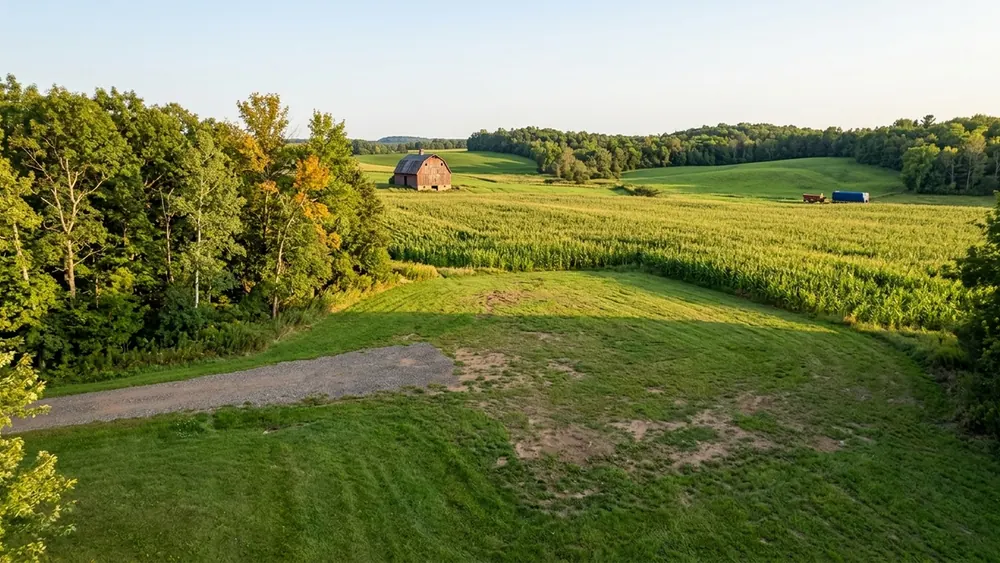
Land near Eau Claire could be a building site if it has legal access, reachable utilities or a workable well and septic, ground that supports construction, and a use the local authorities allow. Each point is confirmed for the specific parcel.
On this page
What makes land a workable building site
Land near Eau Claire could be a building site if four things line up: legal access to a road, utilities that can reach the site or a workable private well and septic, ground that can support the building you have in mind, and a use that the city, town or county allows on that parcel. If any one of these falls short, the parcel may still have value, but it may need work, approvals or a different plan before anything gets built.
Owners are often surprised by how much of this cannot be seen from the road. A flat, open parcel can look ready, yet sit in an area with limits on use, lack a practical utility connection, or have soil that does not suit a septic system. A wooded, uneven parcel can turn out to have a good building spot once someone walks it with the right questions.
This matters if you plan to build yourself, if you are thinking about selling to a builder or a business, or if you simply want to know what the land is worth to a buyer. A buyer who sees a clear building site will look at the parcel differently from one who sees a list of open questions.
Start by walking the land itself
Before calling any office, walk the parcel and take notes. Look for where a driveway could enter, where the ground is level and dry, where water collects after rain, and where any existing structures, fences or trails sit. Note any power lines, roads or neighbouring buildings nearby. These observations give you specific questions to ask instead of general ones.
A background in construction shapes how a site gets read. Guy looks first at how a building could sit on the land, how trucks and equipment would reach it, and where utilities would need to come from. Those practical details often decide whether a parcel works long before anyone talks about price. They also point to which professional to call first.
Walk the land before you price it. Where the driveway goes, where the water runs and where power comes from tell you more than the map does.
Access and the road question
A building site needs legal access, not just a way to drive in. If the parcel fronts a public road, ask the responsible authority whether a new driveway would need approval and what they would look for. If access depends on crossing someone else’s land, find out whether a recorded easement exists and what it allows. A Wisconsin attorney can review the title and confirm what the records show.
Access matters differently depending on the use. A single building for personal use may need only a simple driveway. A business location may need room for trucks, customer parking, or a turn lane, and those raise more questions with the road authority. A site near a highway, such as land near the I-94 and State Hwy 29 interchange, comes with its own set of access questions to confirm directly.
Also look at how the site is reached through the seasons. A gravel route that works in summer may need improvement before it can serve a building year round. Ask who maintains any shared road and whether that arrangement is written down. A builder will also want to know whether heavy equipment and delivery trucks can reach the site during construction, since that affects how and when a project can start.
Utilities, wells and septic systems
Find out whether public water and sewer reach the parcel or whether a building would depend on a private well and septic system. In or near Eau Claire, the answer can change from one parcel to the next. The city, town or utility provider can tell you what service exists and what a connection would involve. Ask about power and, for business uses, any heavier electrical needs.
If the site would need a private well and septic system, well and septic professionals can explain what the ground may support, and the county or local authority sets the rules. Soil conditions and required distances can limit where a system and a building fit. That review often decides where on the parcel a building can actually go.
What the local rules allow
Zoning and land-use rules decide what can be built and where. These are set by the city, town or county, and they apply to the specific parcel, not to the area in general. Ask the responsible office directly and get answers in writing where you can. The questions below are a starting point for that conversation.
- What uses the current zoning allows on this parcel, and whether your use fits
- What setbacks, height limits or building placement rules apply to the site
- Whether wetland, shoreland or floodplain limits affect any part of the parcel
- Whether dividing the land or changing its use would need a separate approval
If the answer to any of these is unclear, the right office or a Wisconsin attorney can explain the process. Do not rely on what a neighbouring parcel was allowed to do. Rules can differ by parcel, by jurisdiction and over time, so confirm them for your land. Keep notes on who you spoke with and what they said, so you can refer back to the answers later.
Who answers which question
A building site question usually involves several people, each answering a different part. This table shows the main questions, why each one matters, and who typically answers it. Bring your notes from walking the land to each conversation. Specific observations, such as where you would place a driveway or where water collects, help each person give you a more useful answer.
| Question | Why it matters | Who to ask |
|---|---|---|
| Where are the boundaries and easements? | Shows what land you actually control | A surveyor and Wisconsin attorney |
| Is there legal access for a driveway? | No access, no practical building site | Road authority and title review |
| Can water, sewer or power reach it? | Connection costs vary widely by parcel | City, town or utility provider |
| Will the soil support well and septic? | Decides where a building can sit | Well and septic professionals, county |
| Does the site have environmental concerns? | Past use can affect what is possible | An environmental professional |
None of these answers has to come first, but access and allowed use usually decide whether the others are worth pursuing. If either one is a clear no, the rest can wait. If both look workable, then the remaining questions help you understand what building on the parcel would involve and what it might cost.
Selling land as a building site
If you plan to sell, the same questions shape how buyers see your parcel. A buyer who can quickly confirm access, utility options and allowed uses can make a decision with fewer conditions. A buyer facing open questions will often build that uncertainty into the offer, the timeline or the contingencies in the purchase agreement.
Gathering what you already have, such as surveys, past permits, easement documents and any soil or septic reviews, can make the land easier to evaluate. Listing platforms such as Crexi and Showcase are common places for commercial and land listings, and clear site details help any listing. Photos of the access point and the likely building spot give buyers a practical starting place for their own questions.
Your next step with the parcel
Before a first conversation, write down where the land is, how you reach it, what you hope to build or sell it for, and what you have already confirmed. Gather any surveys, maps, title documents or reports. List the questions you still have for the local offices. It is fine to start with only part of the picture.
If you own land near Eau Claire, in the Eau Claire Menomonie area or anywhere in Wisconsin and want to know whether it could work as a building site, Guy can help you look at the parcel, the access and the questions to bring to the right offices. Bring what you know about the land, and start there.
This article is general information about commercial property and land in Eau Claire and Wisconsin. It is not legal, tax, lending, investment, valuation or inspection advice and does not predict prices, rents or returns. Confirm zoning and permitted uses with the city, town or county, leases and contracts with an attorney, financing with a lender, taxes and valuation with an accountant, and building condition with a qualified inspector. Guy Rossato, Guy Rossato Real Estate LLC.

Written by